BIDEN'S MILITARY PUTTING WOKENESS OVER SECURITY
https://www.bitchute.com/video/KlaBlQGBWm1A/

Posted by YouTube user: cftni
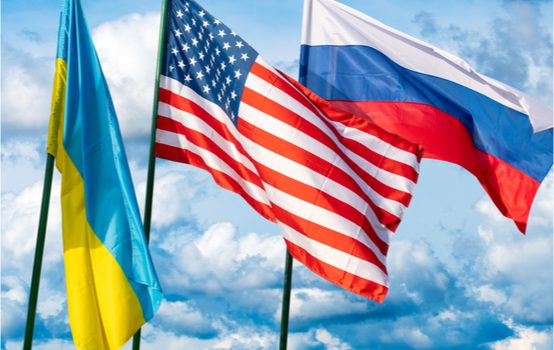
How should we interpret the results of the summit meeting in Geneva between presidents Joe Biden and Vladimir Putin? Did either side succeed in advancing its goals? What impact might their meeting have on the course of relations between the world’s foremost nuclear powers?
On June 17, 2021, the Center for the National Interest hosted a webinar discussion to hear a wide range of post-summit perspectives on these questions.
• John Herbst is director of the Eurasia Center at the Atlantic Council and a former US ambassador to Ukraine.
• Fyodor Lukyanov is Chairman of the Presidium of Russia’s Council on Foreign and Defense Policy, editor in chief of Russia in Global Affairs, and research director of the Valdai Discussion Club.
• Douglas MacGregor is a decorated combat veteran, the author of five books, and a former Senior Advisor to the Secretary of Defense.
• Dimitri Simes is President and CEO of the Center for the National Interest.
Sarah Miller Beebe, former Director for Russian Affairs on the National Security Council staff and former manager of Russia analysis at the CIA, moderated the discussion.
The Biden Administration Is Struggling To Navigate Russia-Ukraine Relations
Tension between the neighboring countries challenges past and present American foreign policy.
America’s Coming War With China
Conflict is both undesirable and imprudent, but appears inevitable given our current leadership.

https://www.theamericanconservative.com/articles/americas-coming-war-with-china/
Putin’s Turkish Nightmare
The revived geopolitical rivalry between Russia and Turkey spells trouble for Putin and his allies.

By Douglas Macgregor - - Sunday, May 30, 2021
ANALYSIS/OPINION:
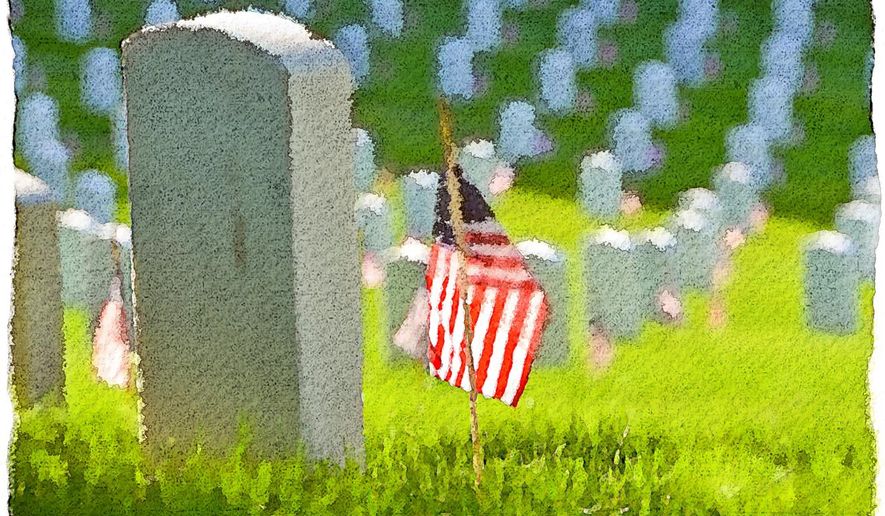
Why do we celebrate Memorial Day? The holiday was established in 1868 at a time in the history of the United States when the nation, not just the nation’s soldiers, sailors, airmen and Marines went to war. Americans had just lost more than 600,000 dead in a civil war to preserve the Union and eliminate slavery, a morally reprehensible institution that had been abandoned by all of the Western world’s great powers except the United States.
It was a time when the true object of war was to secure national survival and a better peace. Peace, not war, was identified with the prosperity and security of the American people and their republic. It is why the end of the most deadly war in American history was marked by an act of generosity and forgiveness expressed in the terms of surrender Gen. Grant presented to Gen. Lee.
Memorial Day was thus more than a day of remembrance when the nation venerated those who died in the defense of the republic. Memorial Day was a day when Americans reaffirmed their national identity and purpose; it was the vindication of America’s spiritual and moral values.
After the Civil War, Americans believed that their national ideals were shaped in Lincoln’s words, “by the better angels of our nature.” Americans did not think of themselves as without sin or necessarily superior to others in any way, but Americans were convinced that their ideals were different from those of their opponents. This attitude explains why after the world wars, Americans did not seize conquered territory or extend Washington’s permanent authority to foreign states and people.
Today, Memorial Day means different things to different generations of Americans. In France, to this day, thousands of children decorate the graves of American soldiers who died defending France in 1918, and liberating France in 1944. What will Americans do on Memorial Day?
Older Americans will probably recall that their fathers and grandfathers fought in the world wars. Some may have served in the Korean or Vietnam Wars. Many will remember America’s desert victory in 1991. Younger Americans remember 9/11 and the long, indecisive conflict that resulted from it.
For many more, Memorial Day will simply be the unofficial start of summer, a bonanza of holiday sales online and in stores, a beach front party on the nation’s coasts and a day off for government workers. For these Americans, the Battle of Midway is as remote from them as Gettysburg was for most Americans in the 1950s.
Yet Midway was no less momentous than Gettysburg in American history. Between June 4-6, 1942, three American aircraft carriers Yorktown, Enterprise and Hornet won an extraordinary victory over the much larger Imperial Japanese Fleet and hurled the Japanese Navy on the defensive for the first time since the defeat at Pearl Harbor.
Midway redeemed American national honor. Sir Winston Churchill grasped the true scope of the victory saying: “The annals of war at sea present no more intense, heart-shaking shock than this battle, in which the qualities of the United States Navy and Air Force and the American race shone forth in splendor.”
The Tet Offensive in January 1968 was no less important than Midway. Americans in uniform fought brilliantly, but the Tet Offensive exposed the gap that separated rhetoric from reality in Washington’s policies, dramatically contradicting optimistic claims by U.S. military leaders that the Vietnam War was all but won. The U.S. electorate concluded that whatever Americans were fighting for in Vietnam it was not freedom or democracy as Americans understood it.
The Vietnam War left Americans asking, “If the Vietnam War is important enough to fight, then, victory is vital and victory must have meaning?” Similar questions are now on the minds of many Americans who ponder the loss of American life and treasure after 20 years of inconclusive operations in Afghanistan, Iraq and Syria.
It is self-evident that Americans today are no longer the same people who created Memorial Day. Many have lost faith in American institutions, and in the vitality of national leadership itself.
When goals and objectives are vague or simply unattainable as they were in Vietnam, and are now in Afghanistan and the Middle East, the conflicts decide nothing. Instead, they weaken National resolve. National traditions, beliefs and moral principles are devalued. If there is no national disaster in losing, then, there can be no real triumph in winning.
It is why Memorial Day should remind Americans of the importance of linking the contingencies of power with the principles of justice in the conduct of our national affairs, especially in war.
It is gratifying when Americans remember the service and sacrifice of its fighting forces, but on Memorial Day it is equally vital for an informed American electorate to demand national policies that avoid needless and self-defeating sacrifice.
• Doulas Macgregor, a retired U.S. Army colonel, is a decorated combat veteran, author, and former senior adviser to the secretary of Defense under President Trump
https://www.washingtontimes.com/news/2021/may/30/why-memorial-day-matters/
Stephen Moore, "Joe Piscopo Show" Resident Scholar of Economics, Chairman of FreedomWorks Task Force on Economic Revival, former Trump economic adviser and the author of "Trumponomics"
Col. Douglas Macgregor, retired U.S. Army Colonel, the former senior advisor to the Secretary of Defense, author, and a senior fellow at The American Conservative
Deneen Borelli, Fox News Contributor, the author of “Blacklash” and an adviser to CloutHub


 Posts
All Comments
Posts
All Comments


